
Median Barriers on Undivided Roadways
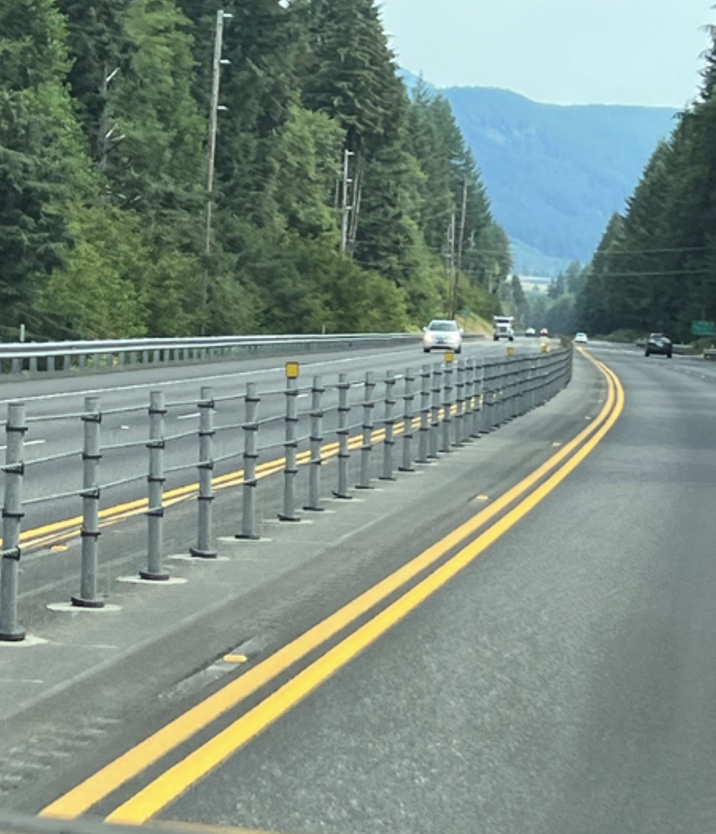
Image Source: FHWA
DEFINITION AND DESCRIPTION
Longitudinal barriers that separate opposing traffic can reduce cross-median crashes. In the U.S., median barriers on undivided roadways are uncommon. But other countries (e.g., Sweden) have used them with positive results. Examples include cable barrier and double-faced guardrail. Some DOTs in the U.S. are piloting cable barrier in narrow medians.
Implementation Categories
| Area(s) | Design & Geometrics, HSIP, Operations & Maintenance |
| Safety Category | 1 |
CONSIDERATIONS
- Other types of median barrier are an option. Sweden uses a solid steel barrier, which has lower maintenance costs than the cable barrier.
- A median barrier would need to start and stop at intersections. It is easier to install on roads with partial access control or limited access points. In other countries median barriers are used on 2+1 roadways.
- Deflection may occur into the opposing lane of traffic. However, if a vehicle is present in the other lane, the impact would generate less kinetic energy.
APPLICATION
- May be used on undivided roadways with buffered centerlines and partial access control or limited access points.
example
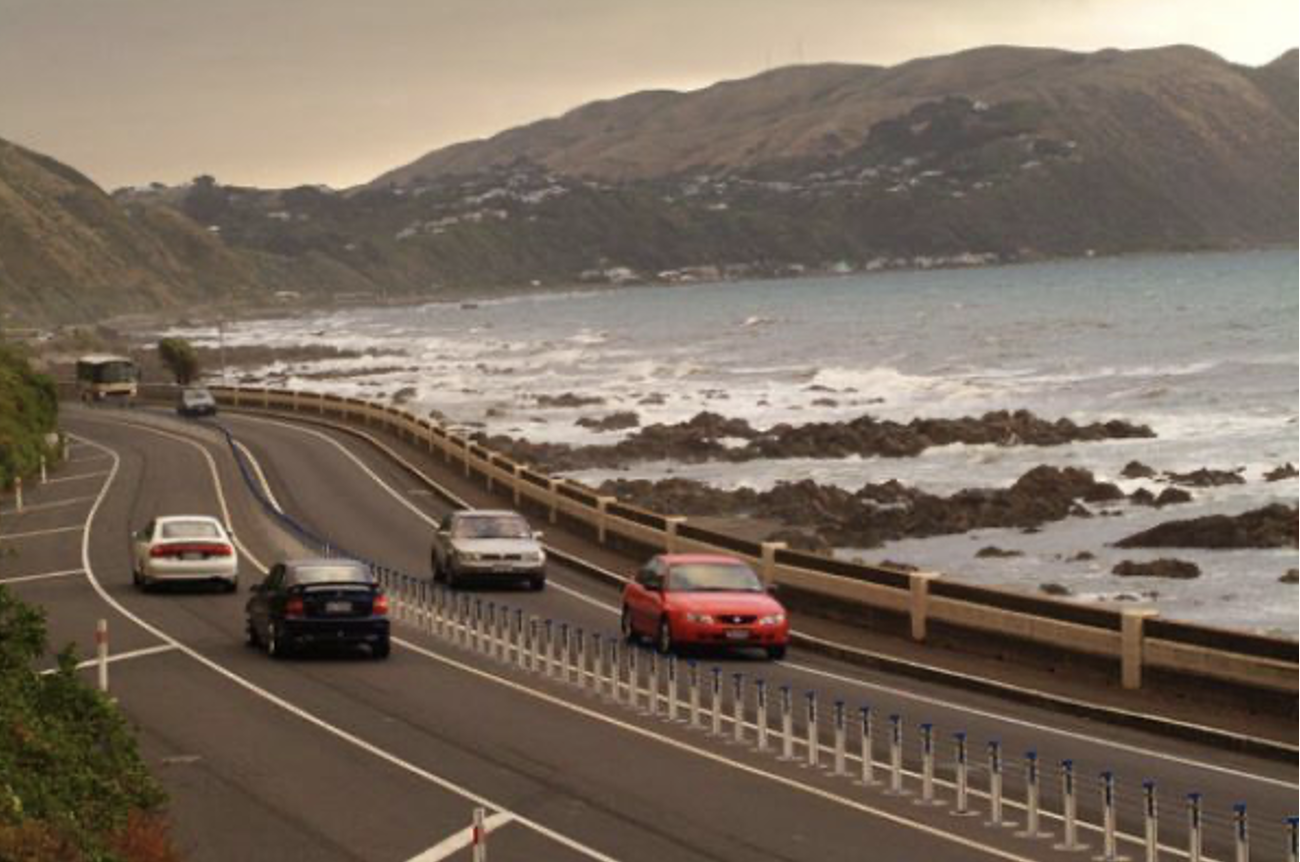
Image Source: New Zealand Transport Agency
Complimentary Countermeasures
- Centerline Buffers
- Cable Median Barrier
REFERENCES AND RESOURCES
FHWA. Safe System Approaches to Reduce Head-On Crashes. 2024 TRB International Roadside Safety Conference presentation.
Mohn, T. Road Innovation from Sweden Saves Lives Around the Globe. 2020, April 2. Forbes. https://www.forbes.com/sites/tanyamohn/2020/03/31/road-innovation-from-sweden-save-lives-around-the-globe/
Vedeby, A. Traffic Safety Effects of Narrow 2+1 Roads with Median Barrier in Sweden. 2016. Swedish National Road and Transport Research Institute. https://www.diva-portal.org/smash/get/diva2:920845/FULLTEXT01.pdf
CONTACT:
Jill Asher
Research Engineer
jill.asher@uky.edu