
Two-Way Left Turn Lane (TWLTL) Restrictions
DEFINITION AND DESCRIPTION
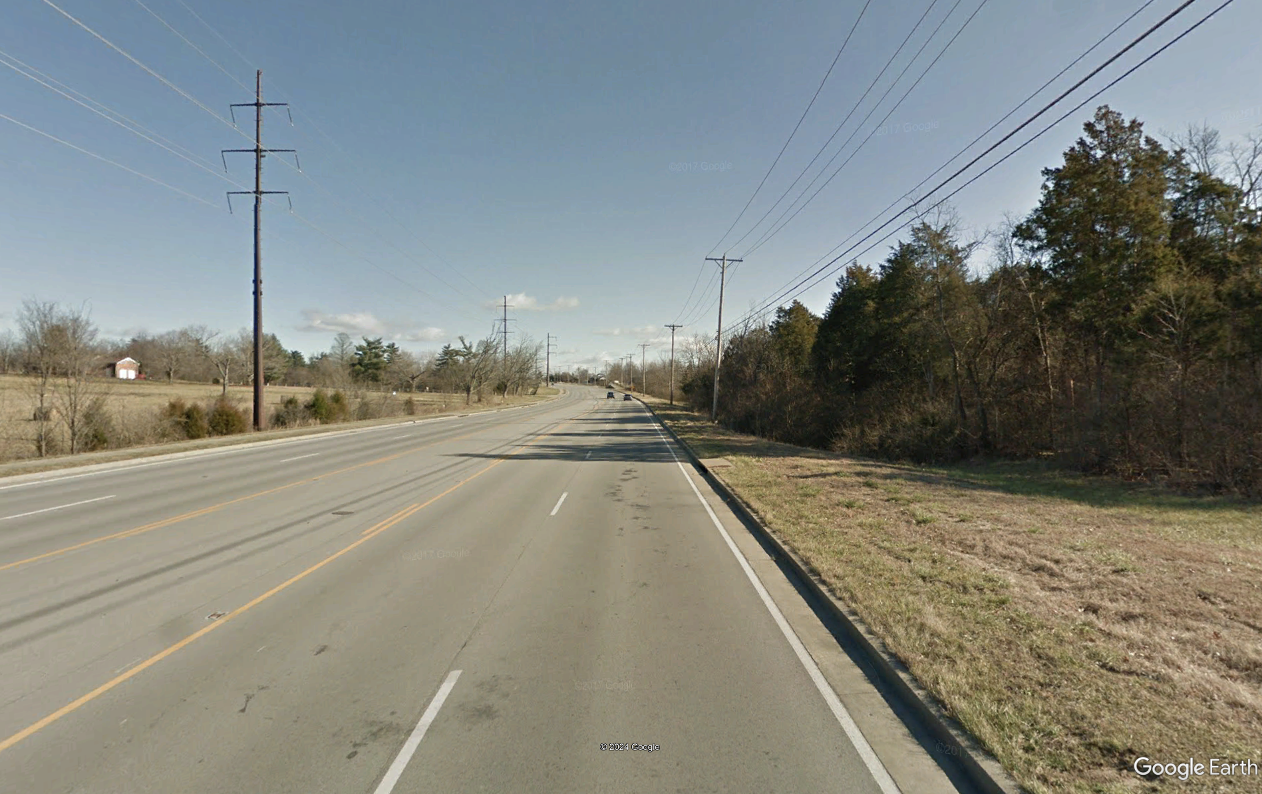
Two-way left-turn lanes (TWLTLs) enhance safety and traffic flow at locations with moderate traffic volumes and moderate to high access point densities. They are typically installed when access densities increase to the point where providing exclusive left-turn lanes with sufficient deceleration space and storage length is impractical without establishing conflicts with adjacent access points. On roadways that already have a TWLTL and few or no access points, a non-traversable median in the center lane can discourage motorists from passing in the turn lane.
Implementation Categories
| Area(s) | Design and Geometrics |
| Safety Category | 1 |
CONSIDERATIONS
- Configurations include raised, depressed, or flush medians. Raised or depressed medians are more effective but also more expensive.
- If raised medians are installed, consider drainage on superelevated sections.
APPLICATION
- On roadway segments where the deceleration and storage length of left-turn lanes does not interfere with other access points, left-turn bays are an option. They can be constructed using curbing or achieved through restriping the TWLTL.
- Depressed, raised, or flush medians may be installed where left-turn movements are not needed or if they are accommodated elsewhere.
- On flush medians double yellow lines and rumble strips may be applied. Flexible delineator posts may be considered intermittently to discourage use of a flush median.
example
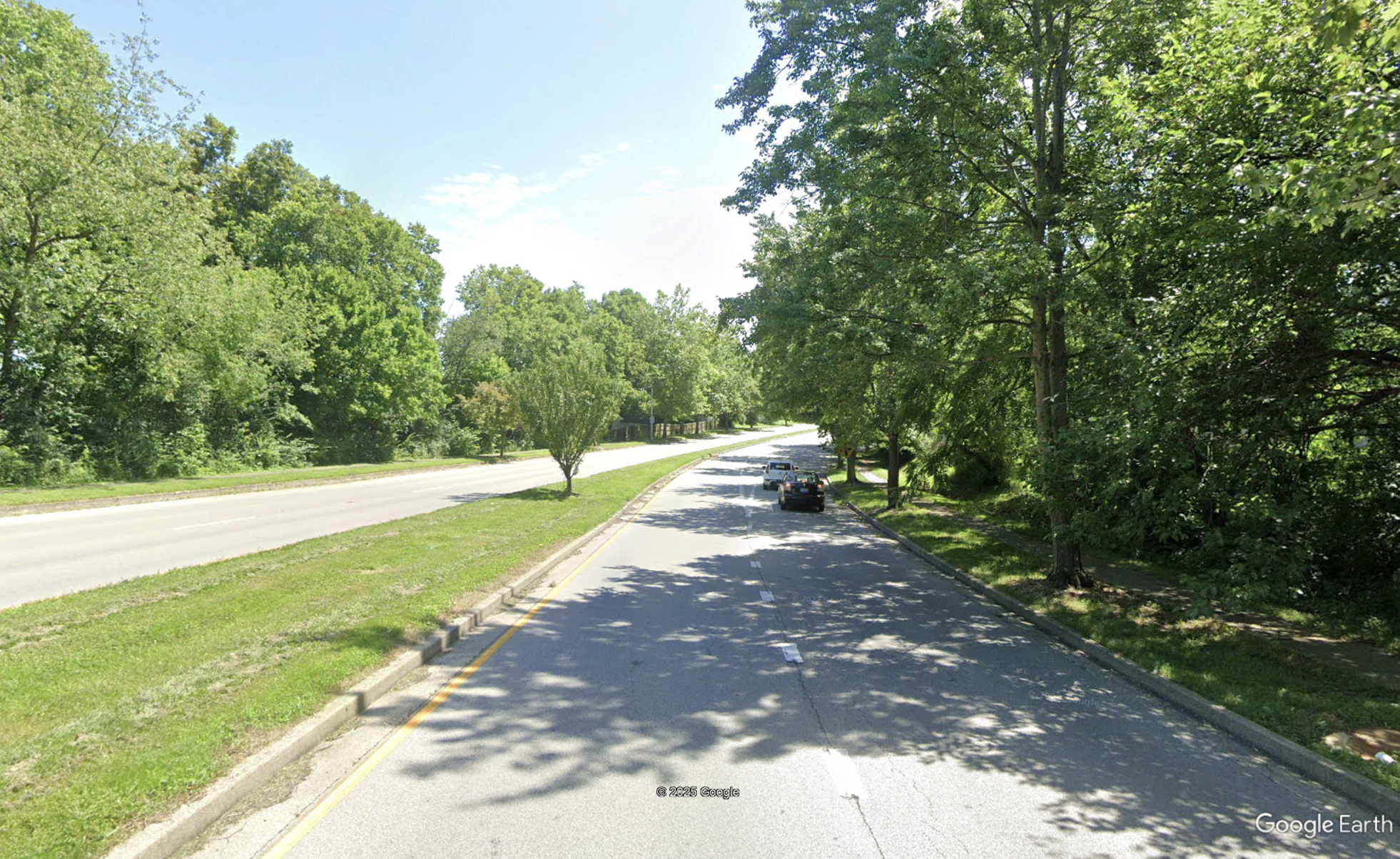
Source: Google Earth, Lexington, KY
complementary SSA Strategies
- Buffered Centerlines
- Median and Pedestrian Refuge Island
- Positive Offset Turn Lanes
REFERENCES AND RESOURCES
KYTC Highway Design Manual. 2017. HD-702.10.6 and HD-902.20.
CONTACT:
Jill Asher
Research Engineer
jill.asher@uky.edu